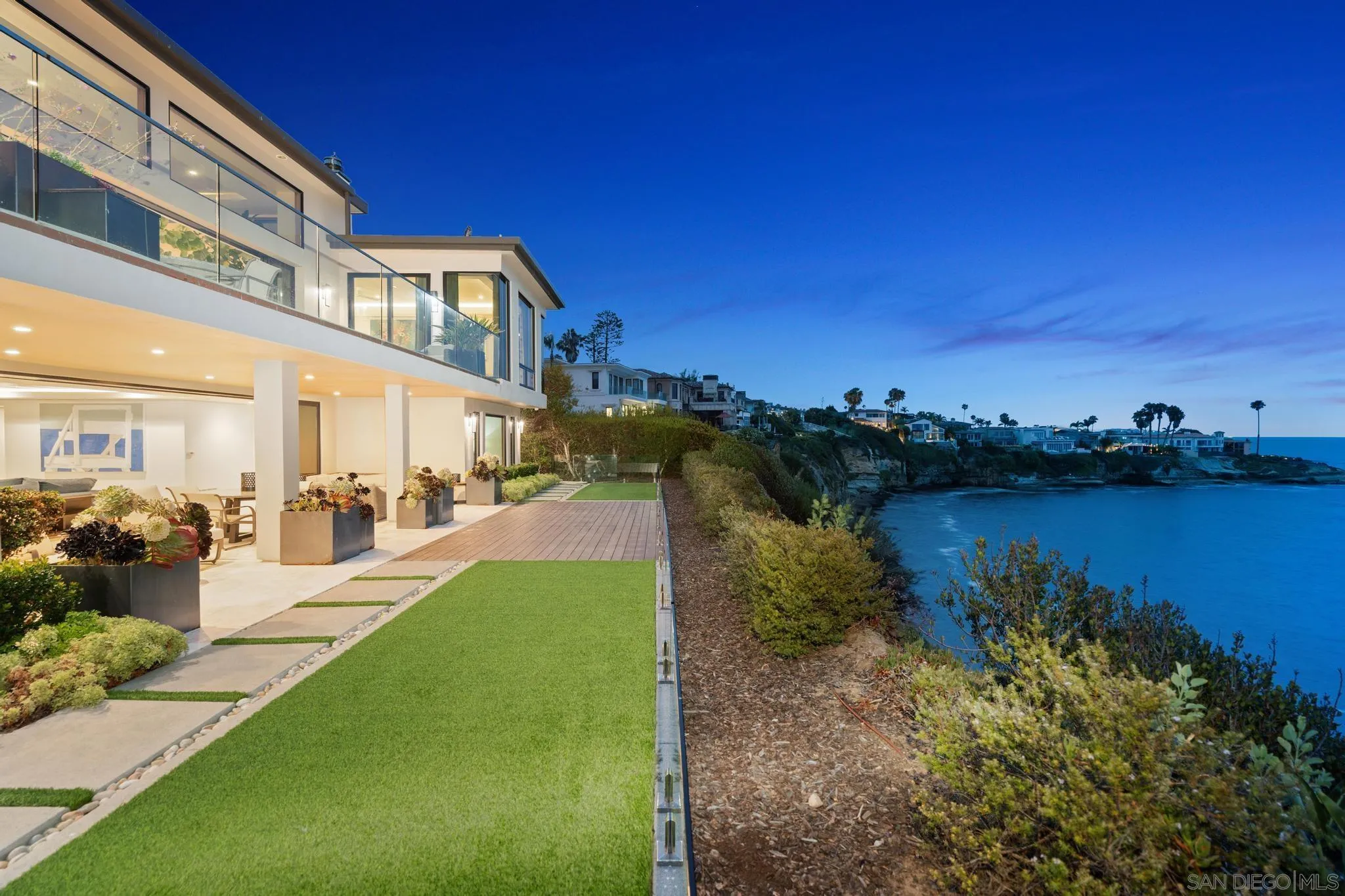
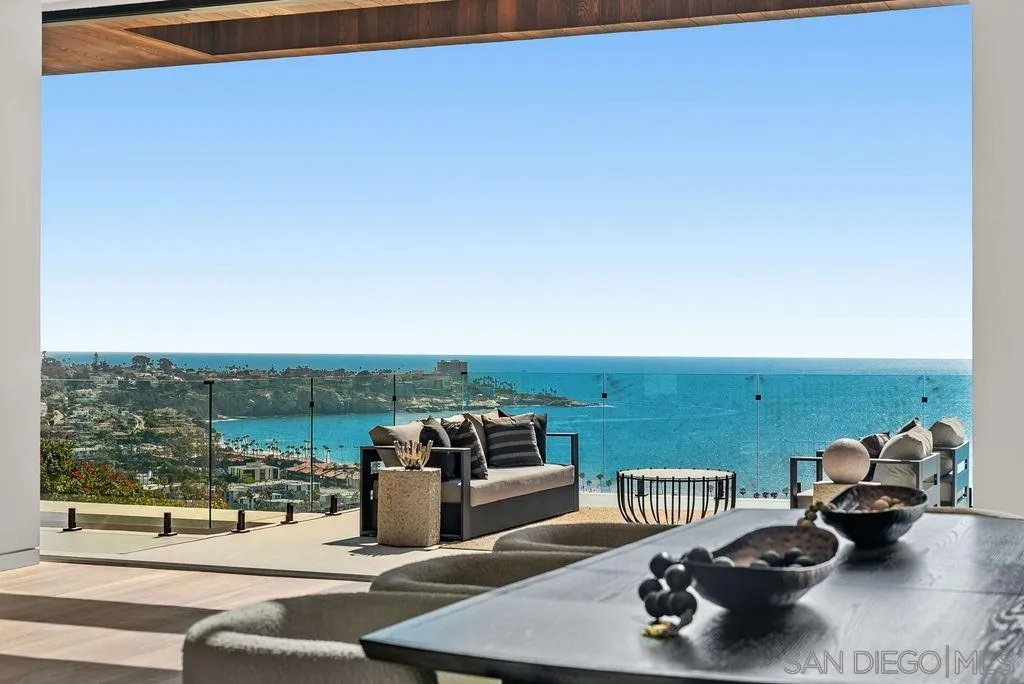
Searching for ocean views or proximity to Torrey Pines Golf Course means competing with both local buyers and out-of-state investors. The geography of the area naturally limits new construction, keeping available homes scarce. Cash offers remain common, meaning financed buyers should have their pre-approval documents ready before touring properties.
Understanding the specific micro-markets and local building codes is a necessary step before making an offer. Each neighborhood presents different architectural styles, lot sizes, and daily commute realities. Working with a real estate agent who understands these local nuances helps prevent overpaying in a low-inventory environment.
Homes in La Jolla sell in a median of 35 to 50 days once they hit the multiple listing service. Properties priced accurately and requiring no immediate renovations tend to move on the shorter end of that timeline. Inventory remains tight throughout 2026, giving sellers an advantage when negotiating terms.
Buyers looking at oceanfront estates or luxury condos will notice a premium on updated interiors. Material costs and permitting timelines make fixer-upper projects less appealing to the average buyer this year. Fully remodeled homes often receive multiple offers within their first two weeks on the market.
Closing costs and ongoing expenses require careful budgeting. Property taxes in California generally run about 1% to 1.25% of the purchase price annually. Buyers looking at condos should factor monthly homeowners association dues into their mortgage calculations, as these fees cover exterior maintenance and shared amenities.
The luxury segment of the market operates with its own set of expectations. Sellers of high-end estates often require proof of funds before approving a property tour. Buyers financing their purchase should secure underwriting approval early to compete with the cash bids prevalent in this price bracket.
The local housing landscape ranges from dense condominium complexes near retail corridors to expansive estates on the hillsides. Condos and townhomes offer lower entry prices and easier exterior maintenance. Single-family homes dominate the residential streets further from the commercial center.
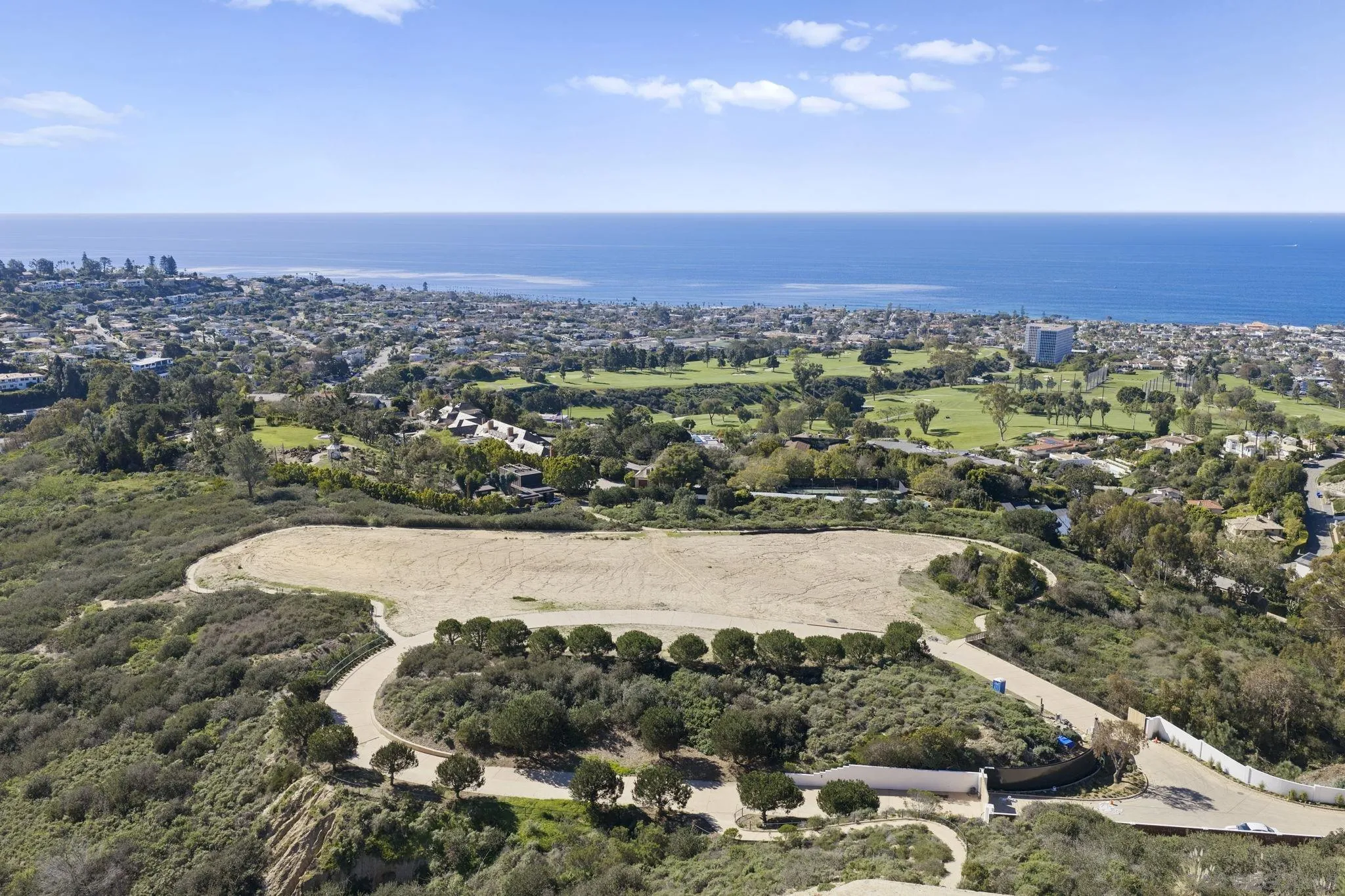
Geography divides the area into distinct micro-communities, each offering different property types and lot sizes. Elevation changes and street layouts dictate whether a property has ocean views or flat, walkable sidewalks. Properties higher up on Mount Soledad offer panoramic views of the coastline, while homes closer to the water sit on smaller, level lots.
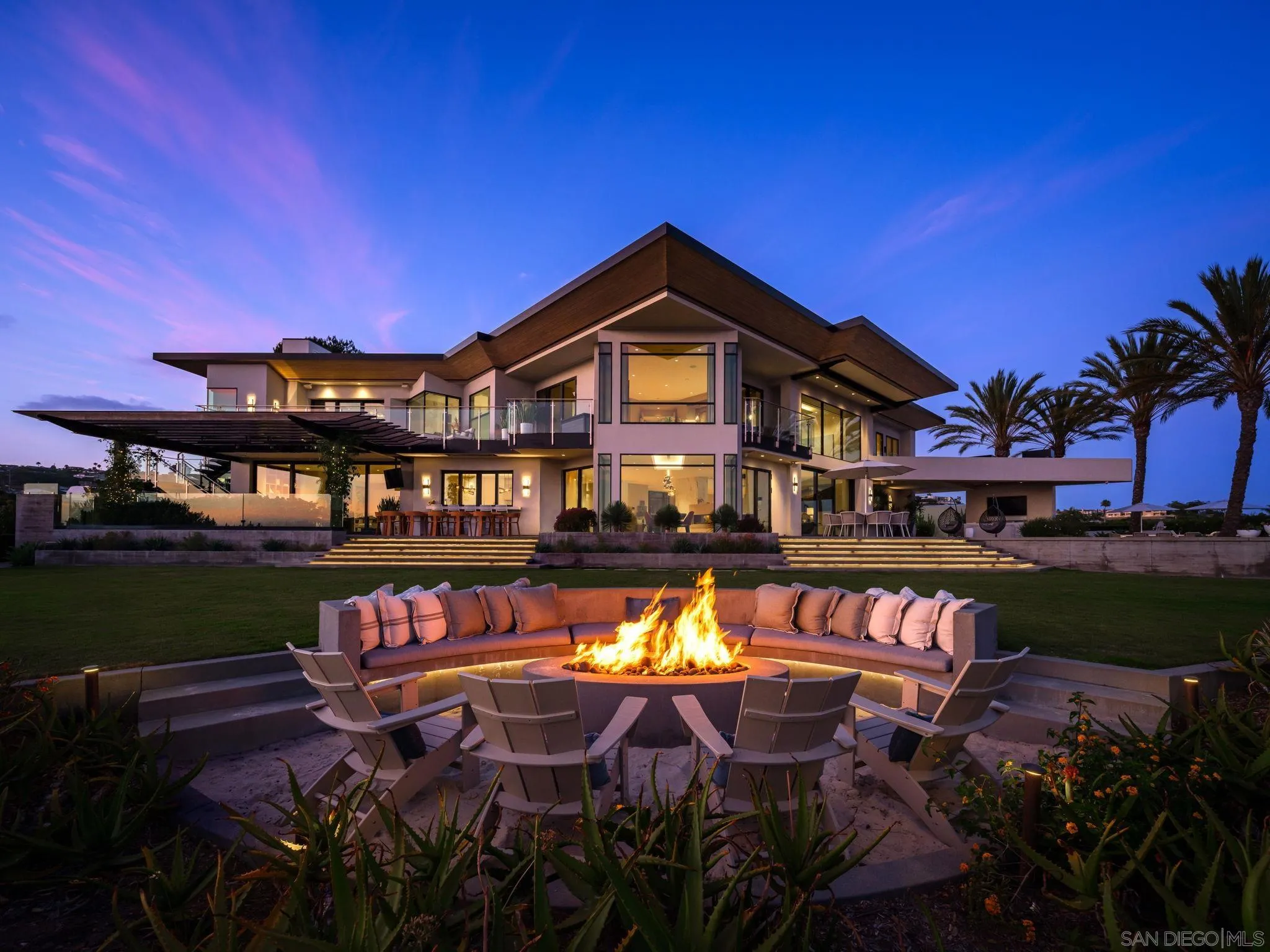
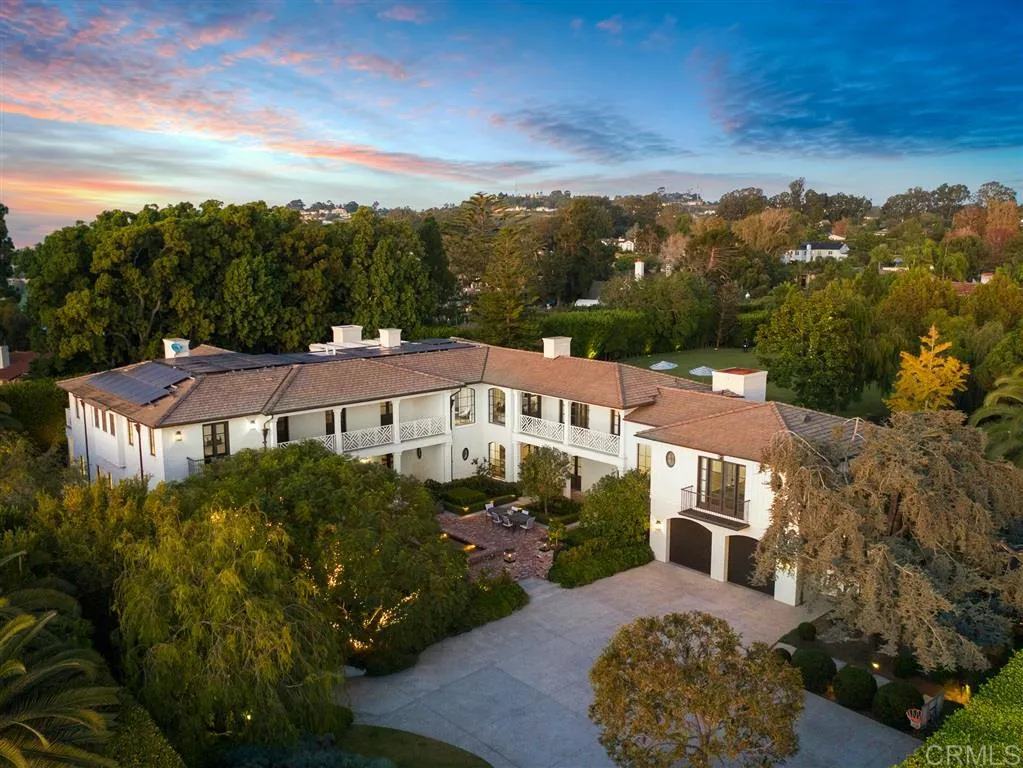
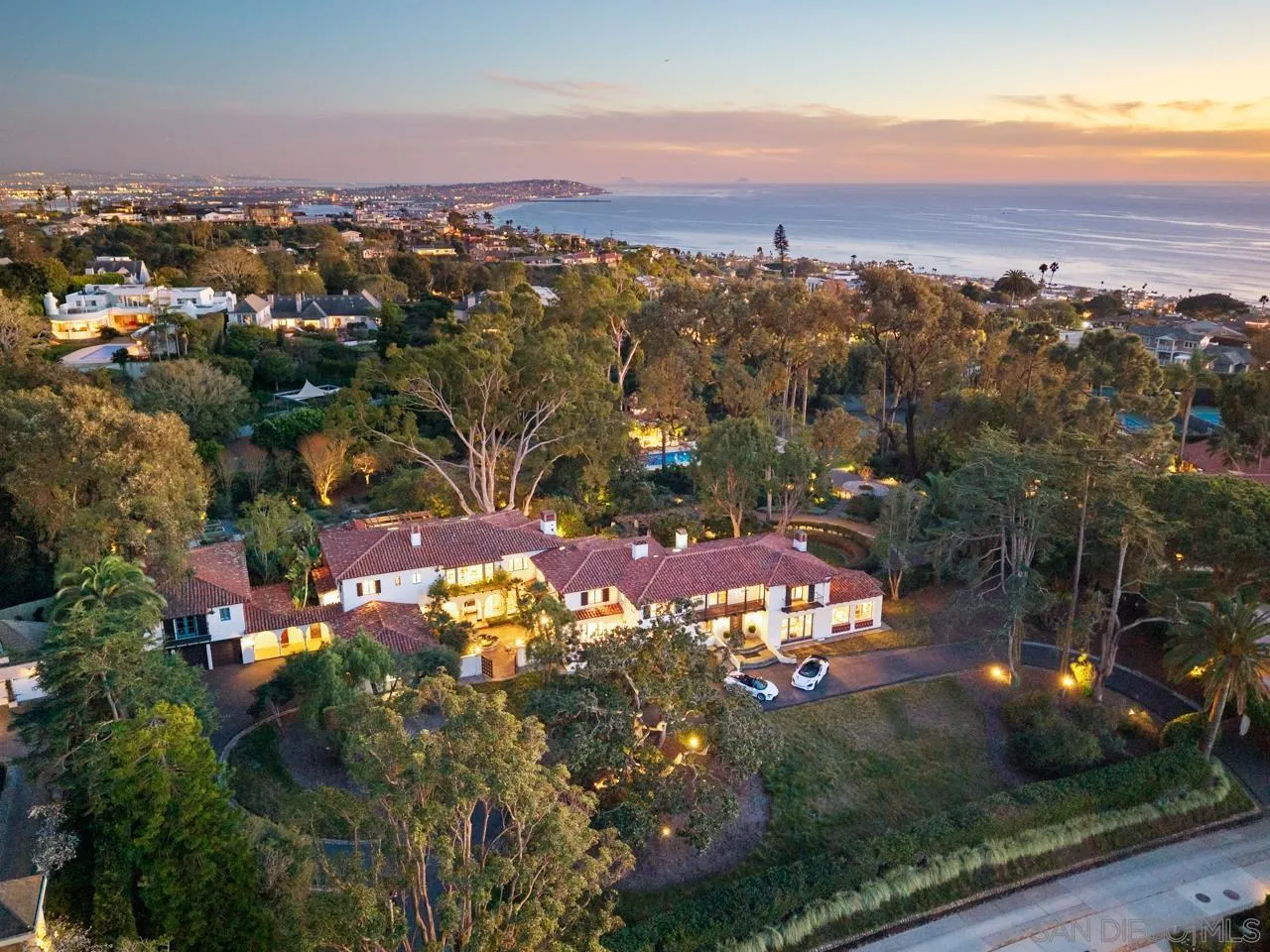
Architectural styles vary widely across the zip code. Buyers will find classic Spanish Colonial designs sitting next to contemporary glass-and-steel builds. Many properties maximize outdoor living spaces to take advantage of the mild Southern California climate.
Neighborhood selection impacts daily routines, from grocery shopping to beach access. Some buyers prioritize walking to coffee shops, while others prefer the seclusion of long, gated driveways.
Public school attendance in this area falls under the jurisdiction of the San Diego Unified School District. The community boundaries include several specific campuses serving elementary, middle, and high school students. Buyers should verify exact attendance zones with the district, as boundary lines occasionally shift based on enrollment numbers.
Older students in the public system typically attend Muirlands Middle School before moving on to La Jolla High School. Both campuses are located near the center of the community along Nautilus Street. These schools draw students from across the various local neighborhoods, creating a centralized hub of morning activity.
The area also hosts several prominent private educational institutions. The Bishop's School and La Jolla Country Day offer independent instruction for middle and high school grades. Many families factor the location of these private campuses into their home search to minimize morning driving.
Commuting to school during morning hours impacts local traffic patterns. Properties located within walking distance of elementary schools often command a slight premium due to the convenience. Buyers should test the morning drive from their prospective home to their chosen campus before submitting an offer.
Interstate 5 serves as the primary north-south artery connecting the coastline to downtown San Diego. During off-peak hours, the drive from the center of La Jolla to the downtown business district takes 15 to 20 minutes. Traffic patterns change these estimates during the morning and evening rush hours.
Commuters traveling between 7:00 AM and 9:00 AM or 4:00 PM and 6:00 PM should plan for 25 to 50 minutes on the road. The main access points to the highway, such as La Jolla Parkway and Gilman Drive, experience heavy congestion during these windows. Alternative surface streets often back up as drivers attempt to bypass the highway bottlenecks.
Employment hubs in Sorrento Valley and University City sit just east of the community. Professionals working in the local life sciences and technology sectors enjoy much shorter daily drives. Reaching these adjacent areas typically takes 10 to 15 minutes, even with moderate traffic.
Public transit provides an alternative to driving for some residents. The UC San Diego Blue Line Trolley connects the nearby university campus directly to downtown and other major stops. This light rail expansion has altered how some locals commute southward, offering a bypass to highway traffic.
The western edge of the community consists entirely of the Pacific Ocean coastline. Residents have access to several municipal parks and state reserves without leaving the immediate area. The terrain varies from sandy stretches to rocky cliffs, offering different types of outdoor recreation.
Inland recreation centers around golf and hiking trails. The local topography provides elevation changes that benefit both trail systems and course designs. Weekend parking near these popular spots requires patience, especially during the peak summer months when tourism increases.
Access to the water shapes many real estate decisions. Homes within a few blocks of the sand rarely stay on the market for long, and proximity to these recreational areas directly influences property values.
Modifying a property near the Pacific Ocean involves oversight from multiple government entities. The Coastal Overlay Zone protects public access to the shoreline and preserves natural views. Any property located within this zone faces specific restrictions on height, square footage, and exterior modifications.
Homeowners must obtain a Coastal Development Permit (CDP) for most renovations, additions, or new construction projects. The city processes these permits, but the guidelines originate from the Local Coastal Program. Securing this permit adds months to a standard renovation timeline.
The California Coastal Commission retains appeal authority over certain projects approved by the city. This means neighbors or community groups can challenge approved plans if they believe the design obstructs protected views. San Diego also enforces a strict 30-foot height limit for coastal buildings, which prevents developers from constructing high-rise towers near the water.
Working with architects and contractors who have local experience is a smart strategy. Professionals familiar with the Coastal Overlay Zone know how to design within the allowable limits. This expertise prevents costly redesigns and lengthy permit delays.
As of mid-2026, buyers can expect single-family houses to list between $2.8 million and $3.0 million. Condominiums provide a lower entry point, though premium units near the water frequently exceed the $2 million mark.
Purchasing the property itself does not require any special permissions, but altering the exterior likely will. If the house sits within the Coastal Overlay Zone, you must secure a Coastal Development Permit before starting additions or major renovations.
Driving down Interstate 5 takes about 15 to 20 minutes when traffic is light. If you travel during the morning or evening rush hours, you should plan for that same trip to take anywhere from 25 to 50 minutes.

Compass
7863 Girard Ave Suite #208
La Jolla, CA 92037 CA
DRE# 01456182
Dane Soderberg
Phone: (858) 337 1417
Email: [email protected]